Free to Paid Ladder
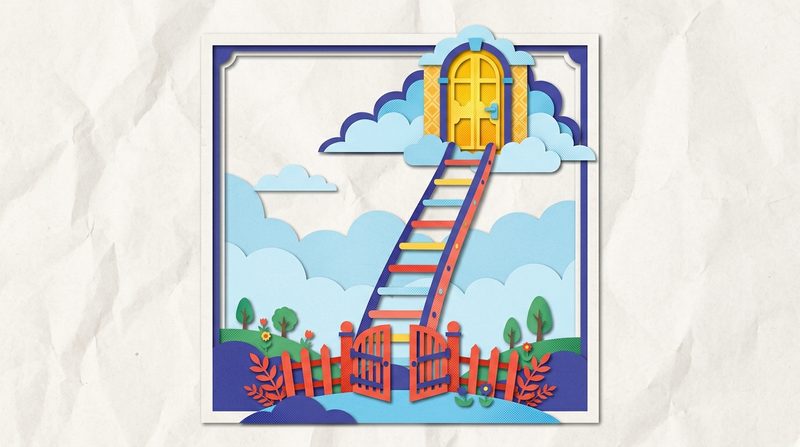
Give people a clear way to experience the community before asking for a larger commitment. A free-to-paid ladder can lead from useful free access to a subscription or a one-time course, but each step should make sense on its own.
What it is
Skool supports subscription memberships and one-time course purchases. Its Classroom also gives you ways to organize access, level locks, and drip content. These tools let you design several steps, but they do not tell you which offer your members will value.
A simple ladder might begin with a free community, continue with a paid membership for ongoing support, and offer a separate course for a bounded learning path. Skool Pricing, Transaction Fees, and Affiliate Program hold the money details that can change over time.
How it works
Start with the smallest useful experience you can deliver well. Use Member Onboarding to help new members reach one practical result, then listen to the questions and goals that appear in the community. Repeated needs can become lessons in Classroom Course Structure.
Add a recurring paid tier only when the value also recurs, such as continued support, live help, or an active peer group. A one-time course is a better fit when the learning path is finite. If you use referrals, explain the difference between Skool's platform affiliate program and any referral arrangement inside your own community.
Review the ladder after people convert. A sale is encouraging, but member use, satisfaction, and retention tell you whether the step is sustainable.
Best practice
- Check the current official About and Pricing pages before writing price-sensitive copy.
- Use free access to validate demand and language before locking the whole experience behind payment.
- Convert to paid access around a clear outcome, cadence, or support promise.
- Use Classroom permissions, level locks, drip content, or access grants only after the structure supports the member path.
- Model plan fees before choosing a paid price or migration timing.
- Treat one creator's revenue example as an example, never as an expected result.
- Keep community affiliate claims separate from Skool's own platform affiliate program.
- Make referral incentives easier to understand than the underlying payout mechanics.
- Watch retention after conversion because retention is an official Discovery ranking input.
- Do not imply free members are worthless because lurkers are acknowledged in the primary Discovery article.
Pitfalls
- A free group without onboarding can become an inactive audience list.
- A paid group without proof can feel like a paywall before value.
- A course purchase without community support can weaken the reason to use Skool.
- A subscription without recurring value can raise churn.
- A referral program before offer-market fit can amplify refunds or low-fit members.
- Mixing platform affiliate revenue with community affiliate revenue creates bad accounting.
- A third-party revenue claim or one creator's challenge result does not predict what your community will achieve.
- Choosing Pro only because it is labeled a good choice ignores Hobby Versus Pro economics.
- Ignoring transaction fees can make a low-ticket offer look healthier than it is.
- Over-promising Discovery impact from paid conversion is unsupported.
- Moving all value behind paid access can reduce free community proof.