Skool Games Rules
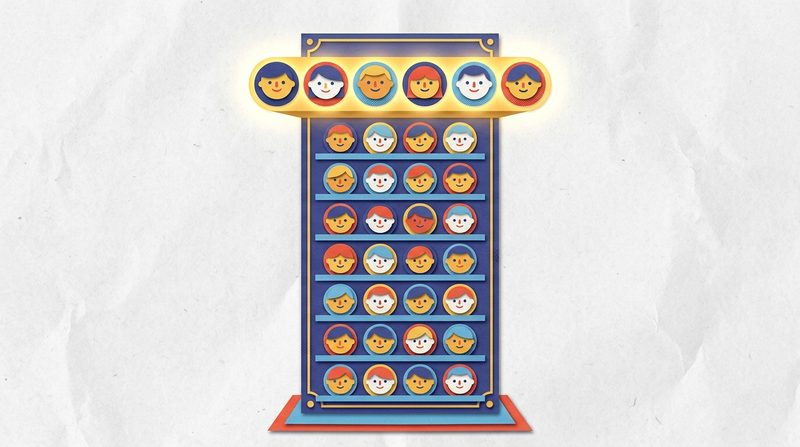
Skool documents the Skool Games as a quarterly competition: MRR growth is counted per quarter, and the round's start and end times are shown on the games page. The leaderboard ranks groups by MRR growth, the new recurring revenue added since the round began, with total community MRR shown underneath as context rather than as the ranking figure. An always-running, milestone-based version was previewed during 2026 but Skool has not published it, so treat the milestones below as unconfirmed.
What the Games counts
Skool's leaderboard FAQ puts limits on the revenue it counts. Each membership counts up to $100 per month, or $1,200 a year. One-time course sales do not count, nor do members who rejoin. An annual plan is divided by twelve. Refunds are subtracted. Work from those rules rather than from your own revenue report, or your standing will not match what you expect.
What it is
The Games gives community owners a shared leaderboard and a set of revenue milestones. It is separate from the points and levels your members earn through participation, which are explained in Points And Levels and Leaderboards And Gems.
How it works
As of August 2026, a group needs at least $1 in MRR before it receives a rank. The leaderboard appears in Skoolers, and a group with no MRR is prompted to earn its first dollar before ranking.
The leaderboard ranks groups by MRR growth within the quarter, with total MRR shown underneath as context. It shows overall position, supports category filtering, and displays traffic, recent growth, and total MRR to help owners understand the groups around them.
Milestone levels are $3,000, $10,000, $30,000, $100,000, $300,000, and $1 million in MRR. Each level has a status emoji, while the $100,000 level is entry to a private club and the $100,000, $300,000, and $1 million levels were linked to physical awards.
Each round closes with the quarter, so a campaign has a deadline and the growth figure starts again when the next round opens. Your growth within the round determines your standing. Skool said physical awards require maintaining a threshold for a period of time, but it did not publish the exact period.
Best practice
- Treat the leaderboard as a progress signal, not a complete measure of community health.
- Read How To Win Skool Games for a member-first approach to growth.
- Use Skool Pricing and Transaction Fees to understand the economics behind the MRR shown.
- Protect retention and member trust while pursuing a milestone.
- Keep Games rank separate from Discovery rank and ordinary member points.
- Check current Skool information before making a public promise about a reward.
- Keep member payment details and private business data out of public material.
Pitfalls
- Treating total MRR as proof of member satisfaction.
- Pushing a poor-fit offer simply to reach the next level.
- Confusing MRR growth, which ranks you, with total MRR, which is only shown as context.
- Confusing Games status with Community Led Growth or Discovery performance.
- Assuming every announced physical reward has the same delivery timing.
- Publishing private payment or member information with leaderboard screenshots.
- Ignoring refunds and churn because they are not the most visible number.
- Letting the leaderboard replace Retention And Churn as your health check.